


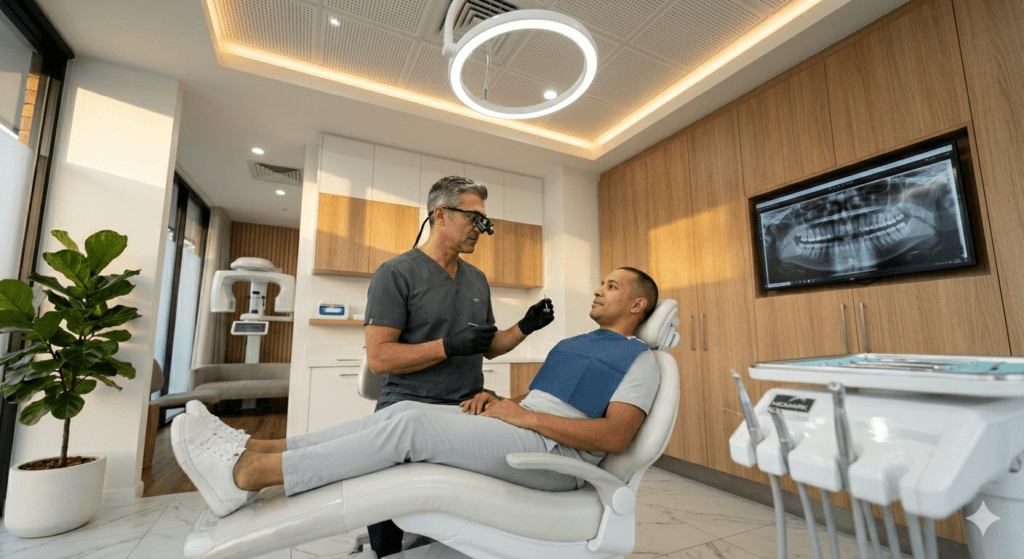
Thinking about all-on-six implants in Longmont, CO can feel overwhelming, but you don’t have to navigate it alone. All-on-six implants offer a stable, long-lasting full-arch solution that replaces an entire upper or lower set of teeth using six precisely placed implants, often enabling faster recovery and stronger support than removable dentures.
They’ll explain the science behind how bone support and implant positioning create a durable foundation, who makes a good candidate, and what to expect at each step—from consultation and imaging to surgery, sedation options, and aftercare. You’ll also learn practical benefits for chewing, speech, and oral health, plus why choosing a local Longmont practice matters for personalized planning and ongoing follow-up.
If you want clear comparisons with other full-arch options and straightforward answers to common concerns—comfort, cost, timelines, and maintenance—this article lays out what matters so you can take the next step with confidence.
Understanding Full-Arch Dental Implants
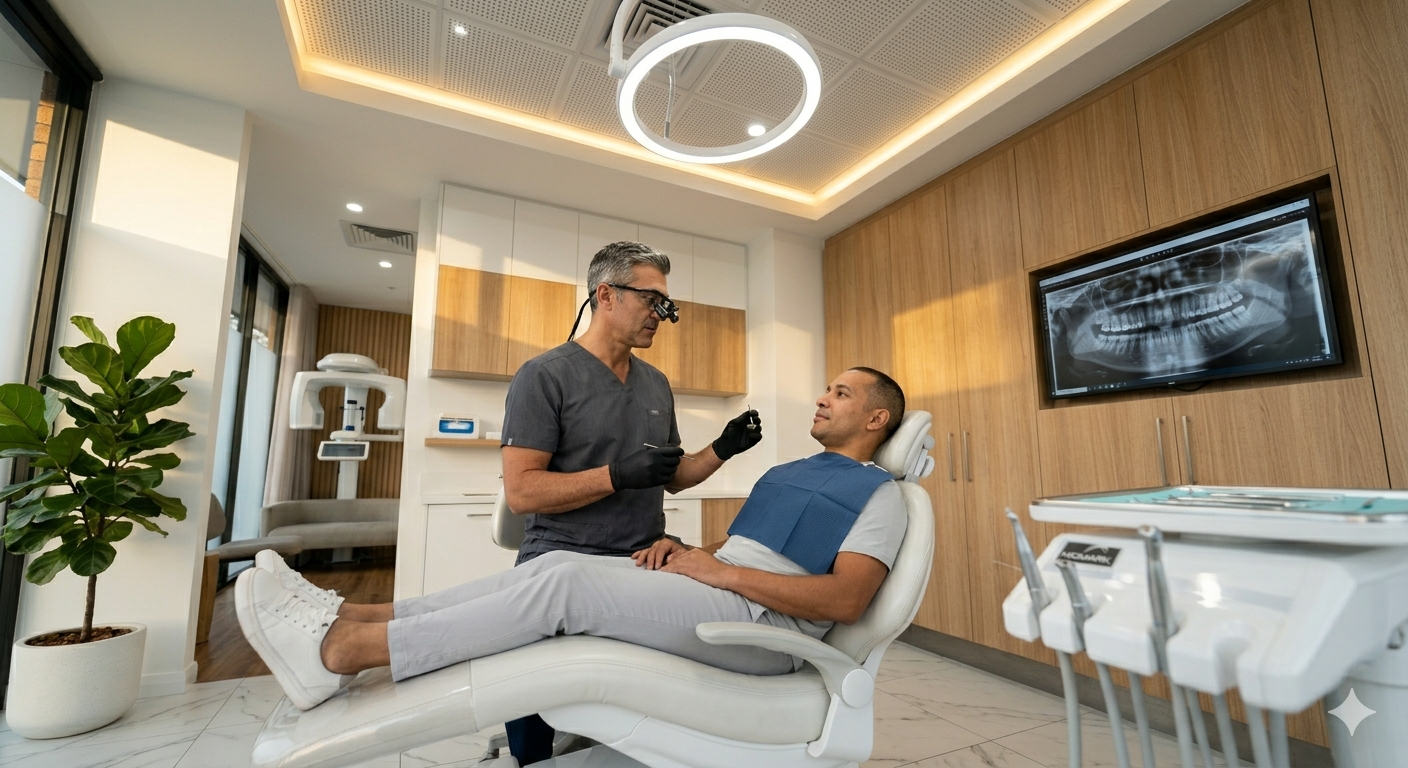
Full-arch dental implants replace an entire upper or lower row of teeth with a fixed prosthesis anchored to multiple titanium implants. They focus on restoring chewing ability, facial support, speech, and long-term oral health with fewer implants than individual tooth replacements.
How Full-Arch Solutions Restore Function and Comfort
Full-arch systems anchor a custom prosthesis to typically four to six implants placed along the jawbone. This distributes bite forces across implants, allowing chewing of regular foods without the slipping common to removable dentures.
Bone integration (osseointegration) secures the implants to the jaw; that stability prevents the bone loss and facial collapse often seen after long-term tooth loss. Patients report improved speech because the prosthesis sits like natural teeth rather than covering the palate.
Prostheses come in fixed (non-removable) and hybrid designs. Fixed bridges feel most like natural teeth and are cleaned like normal teeth with flossing and brushing. Hybrid prostheses may be removable by a clinician for maintenance while still offering solid day-to-day function.
Comparing Implant Options for Teeth Replacement
Options include single-tooth implants, implant-supported bridges, implant-retained overdentures, and full-arch fixed prostheses such as All-on-Six. Single-tooth implants replace one tooth with an individual implant and crown; they conserve nearby teeth but are inefficient for full-mouth tooth loss.
Implant-supported bridges use fewer implants to replace several teeth in a row, ideal for localized gaps. Overdentures clip onto two to four implants and improve retention versus conventional dentures but still move slightly during function.
All-on-Six uses six implants to support a full-arch fixed prosthesis, offering greater distribution of force and increased stability—especially helpful for patients with moderate bone loss where angled implant placement can avoid grafting. Choice depends on bone volume, budget, maintenance preferences, and desired permanence; a clinician’s CT scan and exam determine the best match.
The Science Behind All-on-Six
All-on-six restores teeth function and appearance by anchoring a full-arch prosthesis to six dental implants placed strategically in the jaw. It relies on bone integration, precise implant positioning, and prosthetic design to deliver long-term stability and a natural look.
Jawbone Health and Stability
All-on-six uses six titanium implants distributed across the arch to maximize load sharing and reduce stress on any single implant. Placing implants in the anterior and posterior jaw targets areas of denser bone, which improves primary stability during healing.
Osseointegration—bone cells bonding to the implant surface—provides the biological basis for long-term support. Surface treatments like roughening or titanium plasma-spraying accelerate bone attachment and increase implant-to-bone contact. This lowers the risk of micromovement that can cause failure during the first few months.
When bone loss exists, grafting or zygomatic anchoring can rebuild or bypass deficient areas. Regular follow-up and good oral hygiene preserve bone levels by minimizing inflammation and mechanical overload.
How Six Implants Support a Natural-Looking Smile
Six implants allow a fixed prosthesis that mimics natural tooth alignment, lip support, and occlusal (bite) forces more effectively than fewer implants or removable dentures. The prosthesis can be designed with proper tooth size, gingival contour, and translucency to match facial features and skin tone.
Biomechanics matter: distributing chewing forces across six fixtures reduces risk of prosthetic fracture and marginal bone loss. Dentists plan implant angulation and position using CBCT scans and digital guides to achieve parallelism and optimal emergence profiles. That precision helps create comfortable speech and even force distribution during chewing.
Prosthetic materials—zirconia or hybrid acrylic over a titanium bar—offer choices between strength and esthetics. Maintenance involves routine checkups, professional cleanings, and night guards if bruxism is present to protect the restoration and implants.
Candidacy and Personalized Planning
Most patients seeking all-on-six in Longmont, CO, need a careful evaluation of jawbone health, overall health conditions, and lifestyle factors to ensure predictable results. The plan will balance immediate function with long-term stability and patient comfort.
Factors That Make a Good Candidate
A good candidate typically has significant tooth loss or failing teeth in one or both arches and desires a fixed full-arch solution. Adequate jawbone volume in the anterior and posterior regions matters because six implants require sufficient width and height to engage cortical bone for primary stability.
Medical history influences candidacy: controlled diabetes, non‑heavy smoking, and well-managed cardiovascular conditions often permit implant treatment, while uncontrolled systemic disease or recent head/neck radiation require consultation with specialists. Oral health factors like untreated gum disease or active infection must be addressed before implant placement.
Lifestyle and expectations also determine success. Patients should commit to oral hygiene, regular maintenance visits, and realistic timelines—immediate provisional restorations are common, but final prostheses may wait several months for osseointegration. Age alone is not a contraindication.
Digital Imaging and Custom Treatment Plans
Cone beam CT (CBCT) imaging provides three-dimensional views of bone volume, sinus position, and nerve pathways to guide implant positioning and angulation. Digital planning software simulates implant placement and designs the surgical guide, reducing intraoperative guesswork and shortening chair time.
The team creates a customized prosthetic plan that matches facial esthetics, lip support, and occlusion goals. They select implant lengths, diameters, and locations based on bone density maps and prosthetic needs, often placing posterior implants at angles to maximize bone engagement and avoid sinus lifts.
Patients receive a written treatment timeline, cost estimate, and care instructions. The plan outlines provisional restoration timing, healing milestones, and follow-up schedule, so patients understand each step and what to expect during recovery and maintenance.
Step-by-Step: What to Expect During Treatment
This section describes practical steps, timeframe, and what patients typically feel before, during, and after all-on-six implant treatment in Longmont, CO. It covers the consultation, the surgical day, recovery milestones, and adapting to the new prosthesis.
Initial Consultation Experience
Patients begin with a thorough exam and records appointment lasting about 60–90 minutes. The clinician reviews medical history, takes CBCT scans and intraoral photos, and makes digital impressions or physical molds to map jaw anatomy precisely.
The dentist explains candidacy criteria, expected outcomes, and financing options in plain language. A treatment plan lists implant locations, planned provisional prosthesis timing, and estimated total cost, often with a written estimate and payment plan alternatives.
Patients receive preoperative instructions: stop certain medications, arrange a ride home, and follow fasting rules if sedation is planned. The office clarifies sedation levels — local, oral, or IV — and answers questions about risks, pain control, and antibiotics.
Surgical Procedure Overview
On surgery day, staff confirm consent forms and medical details, then provide local anesthesia plus chosen sedation. The surgeon places six implants per arch (often in the anterior and posterior regions for stability), using guided templates when available to optimize angle and depth.
If teeth require extraction, extractions and implant placement can occur in the same appointment to reduce total visits. A fixed provisional bridge is commonly attached the same day or within 24–48 hours to restore function and appearance immediately.
Surgery typically lasts 2–4 hours per arch depending on extractions and bone grafting needs. The team reviews postoperative meds, diet restrictions, and contact protocols before discharge and schedules follow-up checks within 48–72 hours.
Healing and Recovery Timeline
Initial healing occurs over the first 7–14 days: swelling and mild to moderate discomfort peak around day 2–3 and then improve. Patients follow a soft-food diet, avoid heavy chewing, and use prescribed analgesics and antimicrobial rinses.
Osseointegration — the bone bonding to implants — takes about 3–6 months depending on bone quality and health factors like smoking or diabetes. The provisional bridge protects tissues and maintains esthetics during this phase.
Follow-up visits at 1 week, 2–3 weeks, and then monthly assess healing and tissue health. If bone grafts or sinus lifts were performed, healing may extend and require additional checks before the final prosthesis is made.
Getting Comfortable with Your New Smile
Once osseointegration is confirmed, the team records final impressions and bite relationships for the definitive prosthesis. The lab fabricates a final fixed bridge—often zirconia or layered porcelain—designed for strength and a natural appearance.
Adjustment visits help fine-tune bite, phonetics, and soft-tissue contours. Patients typically notice improved chewing within days of the final prosthesis and steadily gain confidence as speech and eating normalize.
Long-term success requires routine hygiene: daily cleaning under and around the bridge with interdental brushes or floss, and dental checkups every 3–6 months. The office invites questions and schedules regular maintenance to ensure comfort and longevity; patients are encouraged to call with concerns or to book a consultation.
Benefits for Your Oral and Overall Health
All-on-six implants stabilize the dental arch and preserve jawbone by distributing chewing forces across six implants. They improve chewing efficiency, speech clarity, and reduce the risk of further bone loss and gum disease when compared to removable dentures.
Confidence in Everyday Activities
Patients regain natural biting and chewing strength, allowing them to eat a wider variety of foods without slipping or sore spots. That means they can comfortably enjoy apples, steaks, and crunchy vegetables again, which supports better nutrition and digestion.
Speech often improves because the fixed bridge restores proper tongue contact and lip support. No more worrying about clicking noises or accidental dislodgement during conversation.
Daily oral hygiene is simpler than with removable prostheses. Patients brush and floss around the bridge and implants like natural teeth, reducing plaque buildup and lowering long-term risk of peri-implant disease when they follow routine care.
Long-Term Value Compared to Other Solutions
All-on-six provides greater stability than traditional dentures and more even load distribution than fewer-implant systems, which helps preserve bone and reduces implant failure risk. This durability can mean fewer replacement procedures over a lifetime.
Upfront costs are higher than removable options, but maintenance expenses tend to be lower. Fewer relines, reduced adhesive use, and less frequent repairs contribute to better cost-effectiveness over 10–20 years.
Insurance coverage and financing options vary, so patients should review benefits and ask the dental team for a written estimate. Proper planning, regular checkups, and good oral hygiene maximize the functional lifespan and value of the investment.
Patient Comfort and Sedation Options
Patients can expect multiple steps to minimize anxiety and physical discomfort during all-on-six implant placement. The clinic offers personalized plans that combine environment, communication, and medication to keep procedures calm and pain-free.
Ensuring a Stress-Free Experience
The team conducts a preoperative consultation to review medical history, dental anxiety, and prior sedation experiences. They create a written plan detailing appointment length, recovery expectations, and contact information for after-hours concerns.
On the day of surgery, staff use calming measures: a quiet operatory, noise-canceling headphones, soft blankets, and clear check-ins at each stage. Short breaks are offered between implant placements so the patient can stretch, swallow, and adjust position.
They encourage patients to bring a companion for transportation and emotional support, and provide printed post-op instructions with medication schedules and emergency signs to watch for. This combination reduces fear and improves cooperation, which can shorten chair time and aid healing.
Modern Anesthesia Techniques
Local anesthesia with long-acting agents numbs the jaw thoroughly and is standard for all-on-six cases. Patients will feel pressure but not sharp pain; the dentist confirms numbness before beginning.
Oral sedation (prescription benzodiazepine) dims anxiety and produces drowsiness while the patient remains responsive. Intravenous (IV) sedation offers deeper relaxation and faster titration; an anesthesiologist or certified dental anesthetist monitors vitals continuously during IV cases.
For those who prefer no awareness, general anesthesia is available in hospital-affiliated settings. The team follows ASA (American Society of Anesthesiologists) guidelines, obtains informed consent, and conducts pre-op medical clearance when needed.
Post-op pain control combines nonsteroidal anti-inflammatory drugs with short opioid courses only when necessary. Clear recovery instructions and a 24-hour contact number ensure concerns about breathing, bleeding, or severe pain receive prompt attention.
Caring for Your Implants After Placement
Patients should expect a short healing period, an easy daily routine to protect the implants, and regular professional visits in Longmont to monitor bone health and prosthesis fit.
Daily Cleaning and Maintenance Tips
He or she should brush twice daily with a soft-bristled toothbrush and non-abrasive fluoride toothpaste to remove plaque around the implant posts and prosthetic teeth. Use a 45-degree angle at the gumline and brush gently for two minutes, covering all surfaces.
Daily interdental cleaning matters. A water flosser set to low–medium or interdental brushes sized to fit the spaces under and between the prosthesis will remove food debris where a regular brush can’t reach. Threaded floss under fixed prostheses works if it can be used without force.
Avoid hard or sticky foods for the first few weeks; after healing, a normal balanced diet is fine but avoid chewing exclusively on one side. Tobacco increases risk of implant failure; quitting improves long-term success. If there is persistent pain, swelling, or loosening, contact the implant team promptly.
Professional Check-Ups in Longmont CO
He or she should schedule the first professional check 1–2 weeks after placement to confirm soft-tissue healing and adjust provisional restorations if needed. The next visits typically occur at 3 months and 6 months, then every 6–12 months depending on bone stability and oral hygiene.
During visits, the dentist or hygienist will perform peri-implant probing with light force, take or review radiographs to check bone levels, and document occlusion and prosthesis fit. Professional cleaning uses instruments safe for implant surfaces (plastic or titanium-coated scalers) and may include ultrasonic tips designed for implants.
Patients should bring a list of medications and any changes in health, as conditions like diabetes or osteoporosis and medications (bisphosphonates, anticoagulants) affect implant care. If mobility, increased pocketing, or bleeding occurs between appointments, schedule an evaluation right away.
Why Choose a Local Longmont Practice
Local practices offer personalized scheduling, faster follow-up care, and staff familiar with Longmont resources. Patients gain easier access to emergency visits, in-person consultations, and community-based referrals for lab work or specialist needs.
Community-Focused Care
A Longmont practice typically knows the community’s needs and constraints, so staff can propose implant timelines that fit work and family schedules. They often coordinate with local labs for same-week temporary prostheses, reducing time without teeth and minimizing multiple long commutes.
Many clinics partner with nearby specialists—oral surgeons, periodontists, and prosthodontists—so referrals stay close to home. That means shorter travel for bone grafting, CBCT scans, or follow-up adjustments and better communication between providers.
Practices in Longmont frequently participate in local health fairs or patient-education nights. Those events let patients see implant models, ask about anesthesia options, and meet the team before committing to surgery.
Continuity With a Trusted Dental Team
Seeing the same clinicians before, during, and after surgery improves outcomes because records and preferences stay consistent. The treating dentist who plans the all-on-six often follows the case through implant placement, prosthesis delivery, and maintenance—reducing miscommunication and adjustment errors.
Long-term maintenance visits are easier when the practice maintains the same hygienists and lab relationships. Routine checks—screw torque inspections, soft tissue assessments, and occlusal adjustments—can be scheduled locally, preventing small issues from becoming costly problems.
Patients also benefit from a known care environment: familiar staff reduce anxiety and streamline consent and post-op instructions. For complex cases, the local team can coordinate home-care instructions and emergency contact plans that reflect Longmont’s clinics and available after-hours services.
Taking the Next Step Toward Your Best Smile
They encourage a short, personal consultation to review oral health, medical history, and smile goals. During this visit, the clinician explains the all-on-six process in plain language and answers questions about comfort, timeline, and cost.
A 3D scan or X-ray helps plan implant placement precisely. This imaging reduces surprises and lets the team show where implants will sit and how the final teeth will look.
Patients often ask about pain and recovery. The provider outlines anesthesia options, expected discomfort levels, and practical tips for the first week — soft foods, gentle rinsing, and pacing activity.
Financial concerns come up frequently. The practice reviews payment plans, insurance coverage, and phased treatment options so patients can make informed choices without pressure.
They emphasize patient comfort and modern techniques that support predictable results. The team discusses maintenance: daily cleaning, routine checkups, and when to schedule professional care.
Next steps are simple: schedule a consultation, bring any dental records, and prepare questions. The clinic invites readers to call or book online to start a personalized plan toward a secure, natural-feeling smile.
Frequently Asked Questions
This section answers common concerns about eligibility, the treatment timeline, same-day temporary teeth, recovery, longevity and maintenance, and cost factors for all-on-six implants in Longmont, CO. It gives clear, specific expectations patients can use when planning treatment or discussing options with their dental team.
Am I a good candidate for a full-arch implant solution if I have missing or failing teeth?
Candidates typically need adequate jawbone volume or willingness to undergo bone grafting. Good overall health and controlled chronic conditions (like diabetes) support healing; heavy smoking and untreated periodontal disease can disqualify or require preparatory treatment.
A caring implant team will evaluate oral health, bone density via CBCT imaging, and medical history. They tailor the plan—sometimes combining extractions, grafts, or sinus lifts—to create a stable foundation for six implants per arch.
What’s the step-by-step process like from consultation to getting my new smile?
Initial consultation includes clinical exam, 3D imaging, and a treatment plan with cost estimates. The team discusses anesthesia options, expected timelines, and any preparatory work like extractions or grafting.
Surgery places six implants per arch with precise guided techniques; impressions or digital scans follow once healing begins. Final prostheses are delivered after osseointegration, usually three to six months later, though timing varies by individual healing and any grafting performed.
Will I be able to get temporary teeth the same day as my implant surgery?
Many patients receive a fixed provisional prosthesis the same day as surgery when primary implant stability is achieved. Same-day temporaries restore appearance and basic function, but they are designed for protection and limited chewing, not full long-term use.
If implants lack sufficient initial stability, the team may fit a removable temporary denture and schedule a delayed fixed prosthesis. The clinician will explain the safest option based on intraoperative findings.
How much discomfort should I expect during recovery, and how is pain typically managed?
Mild to moderate swelling and soreness for 3–7 days is common; most pain peaks in the first 48 hours. Dentists typically prescribe or recommend over-the-counter analgesics, short courses of antibiotics if indicated, and cold-compression protocols.
Follow-up visits check healing and adjust instructions. Patients should avoid hard foods, follow oral hygiene guidance, and contact their provider if severe pain, heavy bleeding, or signs of infection occur.
How long do full-arch implants usually last, and what kind of maintenance do they need?
Implants themselves can last decades with proper care; prosthetic teeth may need repair, relining, or replacement every 5–15 years depending on wear and materials. Long-term success depends on daily oral hygiene, regular dental cleanings, and monitoring for bone loss or peri-implant disease.
Patients should expect periodic checkups every 3–6 months initially, then at least biannually. A hygienist will demonstrate cleaning techniques for underneath and around the prosthesis to minimize complications.
What factors affect the total cost, and are financing or payment plans commonly available?
Cost varies by extent of preparatory work (extractions, grafts), implant brand, type of final prosthesis (acrylic vs. zirconia), and use of digital or guided-surgery technology. Geographic factors and clinician experience also influence price in Longmont, CO.
Many practices offer financing, third-party medical credit, or in-house payment plans to spread costs. Patients should request a written estimate detailing each component and ask about insurance coordination for qualifying portions of treatment.
